What to Expect During a Roof Removal Project
People seeking roof removal typically want to safely and efficiently remove their old roof, and local contractors can expertly handle the job to ensure quality results.
Understanding what to expect during a roof removal project can help property owners feel more prepared and confident when exploring options for their home or commercial building. Whether replacing an aging roof or upgrading for better durability, knowing the general process and potential stages involved provides clarity and peace of mind. Local contractors who specialize in roof removal services are equipped to handle these projects efficiently, ensuring that each step aligns with safety standards and industry best practices. As you continue reading, you'll discover practical insights into how these professionals approach roof removal, what the process typically involves, and how they can support your property’s upgrade or repair needs.
Many property owners in the area consider roof removal services when planning significant renovations or dealing with damage that requires a full tear-off. Understanding what happens during this process can help you make informed decisions about your project. Local service providers are experienced in managing the complexities of roof removal, from preparing the site to safely disposing of old materials. Keep reading to learn more about the typical stages involved and how local contractors can assist in making the project as smooth and straightforward as possible.
- Complete roof removal - necessary when a roof has extensive damage or outdated materials, with local contractors carefully stripping layers to prepare for a new installation.
- Roof tear-off services - needed for replacing a worn or damaged roof, where service providers systematically remove existing roofing to ensure a solid foundation for the new structure.
- Layer removal for roof upgrades - required when adding insulation or upgrading roofing systems, with local pros efficiently removing existing layers while protecting the underlying structure.
- Asphalt shingle removal - common when replacing asphalt shingles, with local contractors safely detaching shingles to prevent damage to the underlying roof deck.
- Tile roof removal - needed for replacing or repairing tile roofs, where service providers carefully lift and remove tiles to preserve their integrity for reuse or disposal.
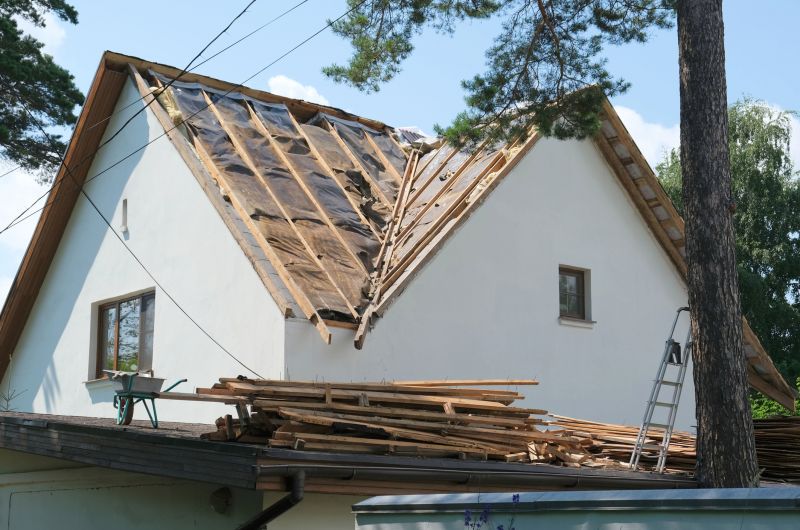
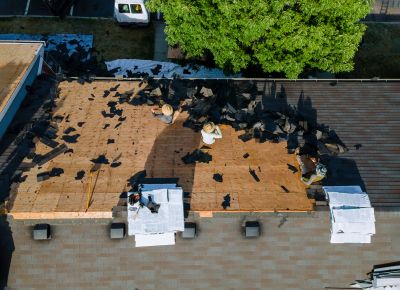
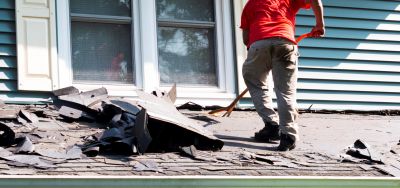
When searching for information about what to expect during a roof removal project, homeowners often want to understand the overall process involved in stripping away an existing roof. This type of project typically arises when the current roofing material has reached the end of its lifespan, has sustained significant damage, or when a property owner plans to replace or upgrade their roofing system. People seeking this information are usually interested in the scope of work, potential disruptions, and the steps involved in safely removing old roofing materials before a new roof can be installed. Understanding these aspects helps homeowners prepare for the project and ensures they are aware of what will happen during each phase.
Roof removal projects are closely related to larger home improvement plans, such as roof replacements, repairs, or upgrades. They may also be necessary when addressing underlying issues like water damage, mold, or structural concerns that require the old roof to be completely removed for proper inspection and repair. These projects often involve dealing with various types of roofing materials, including asphalt shingles, wood shakes, tile, or metal panels. Homeowners with properties that have multiple layers of roofing or those living in areas prone to severe weather might find themselves needing a roof removal to ensure the integrity and safety of their homes.
The types of properties that typically undergo roof removal projects include single-family homes, multi-family buildings, and commercial structures. Residential properties with steep or complex roof designs may require more detailed planning and specialized equipment. Commercial properties, such as warehouses or office buildings, often have larger roof surfaces that demand careful coordination and safety measures during removal. Regardless of property type, local service providers experienced in roof removal understand how to adapt their approach to different building styles and materials, ensuring that the process is handled efficiently and with minimal disruption to the property.
During a roof removal, homeowners can expect a series of practical steps handled by local contractors. The process generally begins with protecting the property’s surroundings and preparing the site. The old roofing materials are then carefully stripped away, which may involve removing shingles, tiles, or other coverings, and disposing of debris properly. Once the old roof is cleared, contractors inspect the underlying structure for any damage or repairs needed before installing the new roofing system. Throughout this process, homeowners should be aware of potential noise, debris, and temporary access restrictions, all of which are managed by experienced local pros to ensure the project proceeds smoothly and safely.
Asphalt Shingle Removal - This project involves stripping away old asphalt shingles, requiring similar planning and safety measures as roof removal services provided by local contractors.
Roof Deck Replacement - Replacing damaged or rotted roof decking shares the same skills and tools used during the removal of existing roof layers.
Roof Inspection and Assessment - Conducting thorough inspections to evaluate roof condition aligns with the preparation work involved in roof removal projects.
Attic and Roof Ventilation Installation - Installing or upgrading ventilation systems often requires partial roof disassembly, similar to roof removal procedures.
Flashing and Chimney Flashing Replacement - Removing and replacing flashing components involves careful planning and access, comparable to roof removal work.
Roof Repair and Patchwork - Repairing localized damage involves similar techniques and safety considerations as full roof removal and replacement projects.
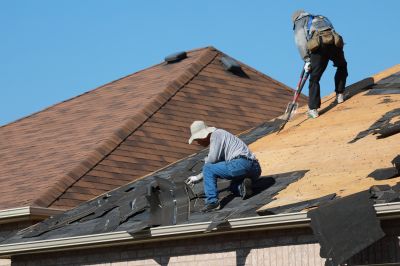
When evaluating local contractors for a roof removal project, it’s important to consider their experience with similar types of work. Homeowners should inquire about how many roof removals the service providers have completed and whether they have handled projects comparable in scope and complexity. An experienced contractor is more likely to understand the nuances of the process, anticipate potential challenges, and execute the work efficiently, ensuring that the project proceeds smoothly and meets expected standards.
Clear written expectations are essential when comparing service providers. Homeowners should seek detailed proposals that outline the scope of work, the steps involved in the roof removal process, and the responsibilities of each party. This documentation helps establish a mutual understanding of what the project entails, reducing misunderstandings and ensuring that everyone is aligned on the deliverables. Reputable contractors typically provide transparent, comprehensive information that allows homeowners to make informed decisions.
Reputable references and effective communication are key factors in selecting a reliable service provider. Homeowners can ask for references from previous clients who have undergone similar projects to gain insight into the contractor’s professionalism and quality of work. Additionally, good communication throughout the process-prompt responses to questions, clear explanations of procedures, and updates on progress-helps build confidence and ensures that expectations are managed throughout the duration of the roof removal. Choosing a contractor who values transparency and responsiveness can make the experience more straightforward and less stressful.
Property owners often search for what to expect during a roof removal project when they are planning practical projects around their homes and businesses. Local pros provide Roof Removal services for everyday jobs and straightforward project options.
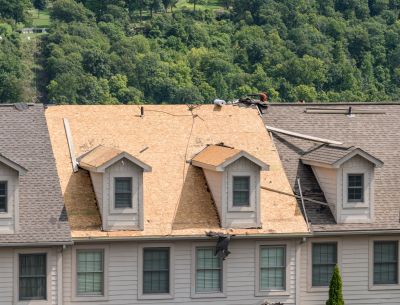
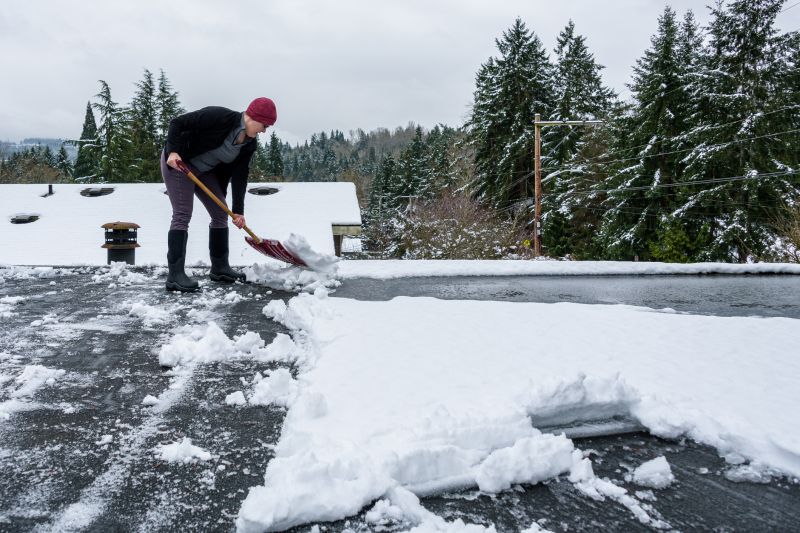
During a roof removal project, property owners can expect to see a range of typical activities as local contractors prepare and work on the roof. It’s common to encounter areas being cleared of old shingles and roofing materials, with debris temporarily stored nearby to keep the worksite organized. Residents might notice equipment such as dumpsters or trucks on-site, which are used to transport away old roofing materials. This process often involves some noise and activity that, while disruptive, is part of the normal progression toward installing a new roof. Understanding these everyday situations can help property owners anticipate what will happen during the project and appreciate the effort involved in ensuring a safe and thorough removal.
Many property owners look up this topic to better understand what to expect during a roof removal project and to feel more prepared for the work involved. Local service providers typically handle the entire process, including safeguarding the property, managing debris, and ensuring proper disposal of old materials. These pros are experienced in working efficiently while minimizing inconvenience, and they can address questions about the scope of work, potential disruptions, and safety measures. Knowing what to expect can make the experience less stressful and help property owners coordinate other aspects of their home improvement plans with confidence.
What is the typical process during a roof removal project? During a roof removal, local contractors usually begin by preparing the work area, then carefully strip away the old roofing materials, and finally prepare the surface for the new roofing installation. This process helps ensure safety and efficiency throughout the project.
What tools and equipment are used during roof removal? Service providers typically use specialized tools such as roofing shovels, pry bars, and dumpsters for debris removal, along with safety gear like harnesses and helmets to protect workers during the job.
Will there be a lot of debris and mess? Yes, roof removal projects generate debris from the old roofing materials, which contractors usually manage by using dumpsters or debris chutes to contain and remove waste efficiently.
How do local pros handle the removal of old roofing materials? Contractors carefully detach and dispose of old roofing layers, ensuring that the underlying structure is inspected and prepared properly before installing new roofing materials.
What should homeowners expect in terms of noise and disruption? Roof removal can be noisy due to the use of power tools and material removal, and some disruption is typical, but experienced contractors work to minimize inconvenience during the project.
Understanding the process - property owners can learn about the typical steps involved in roof removal to prepare for what to expect during a roof removal project.
Preparing the property - ensuring clear access and protection for surrounding areas helps facilitate smooth work by local contractors.
Managing debris and waste - planning for debris removal and disposal options is a practical step during a roof removal project.
Communicating with professionals - staying informed about progress and any adjustments helps property owners stay engaged throughout the project.
If you are thinking about what to expect during a roof removal project for a property, this guide is meant to help you understand this topic, the typical project types, and how different options might fit your plans.
When you are ready, you can use the quote form on this page to share a few details about your project. From there, local pros can review the basics and follow up with options that match what you have in mind.